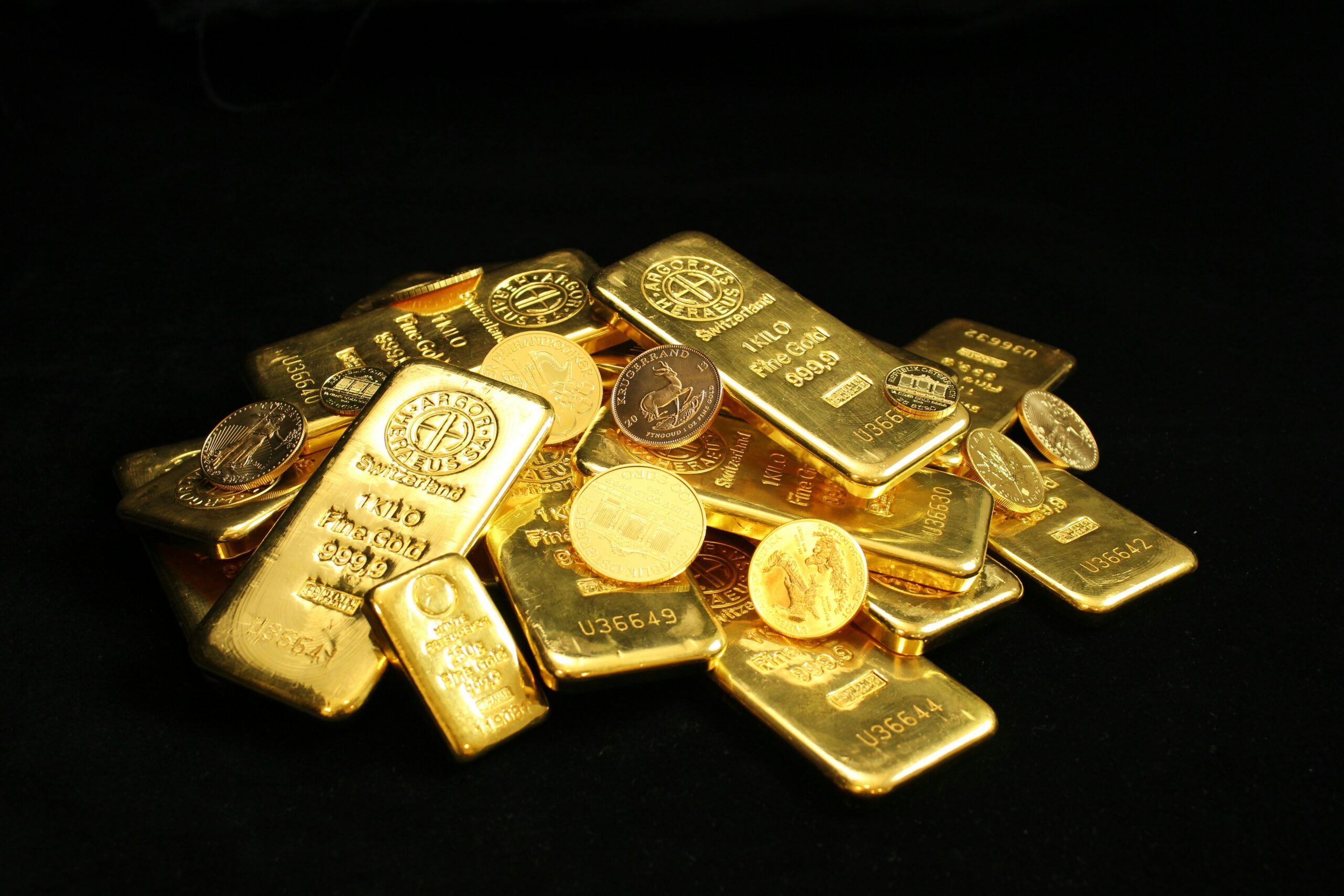
Why is gold falling? Nine months ago it hit a record $5,589 an ounce. This week it is trading around $4,150, roughly 25% lower, and it fell about 5% in September alone. On 28 September it opened at its lowest level since early August.
The slide is not about gold suddenly losing its appeal. It is about four forces pushing in the same direction at once. Here is each one in plain English, and what could turn the price around.
Why Is Gold Falling? The Four Main Reasons
1. The Fed started raising rates again
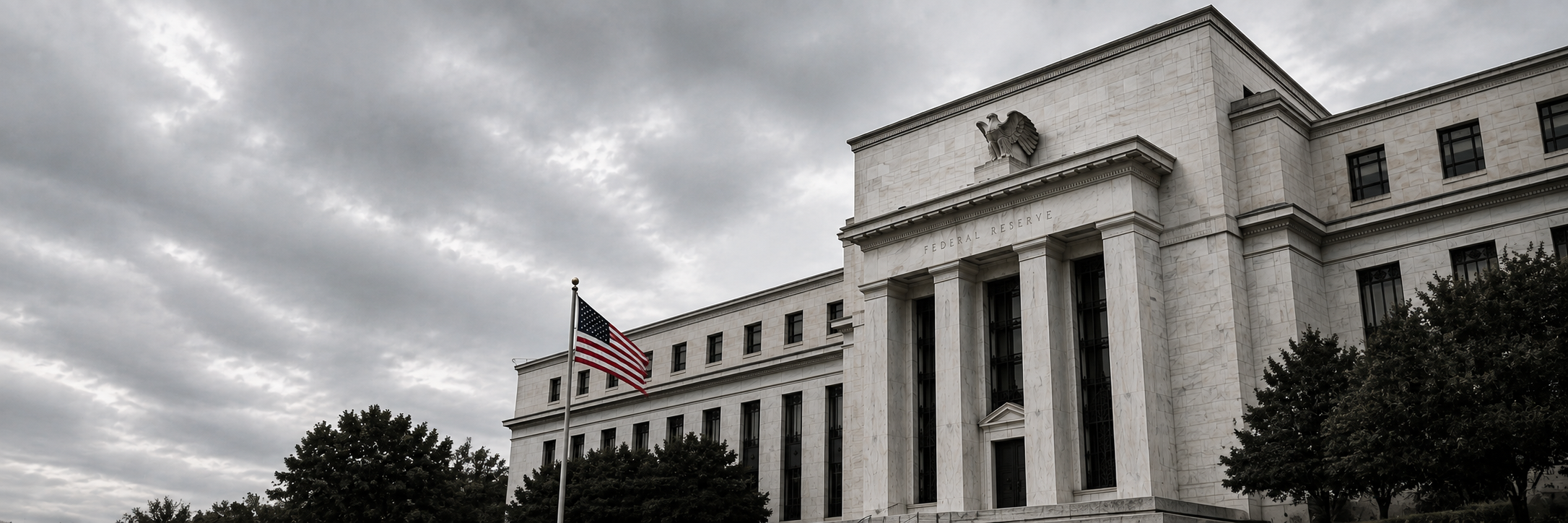
The selloff began with the nomination of Kevin Warsh, seen as relatively hawkish, as Fed Chair. Since taking over, the Fed has paused the rate cuts of 2025 and then raised rates by 25 basis points in September. Gold pays no interest, so every hike makes cash and bonds a little more attractive by comparison.
2. Bond yields hit their highest in decades
In late September US Treasury yields reached levels not seen since 2007. When a “risk-free” government bond pays more, the cost of holding a metal that pays nothing goes up. This is the single biggest weight on gold right now.
3. A stronger US dollar
Gold is priced in dollars worldwide. When the dollar strengthens, the same ounce costs more for buyers using euros, pounds or yen, which cools demand. Higher US rates have kept the dollar firm for most of the past month.
4. Oil and inflation fears
The US and Iran conflict pushed Brent crude above $104 a barrel in late September. Normally war helps gold, but here it is working the other way: pricier oil means higher inflation, which means more rate hikes, which means a stronger dollar and higher yields. Since the conflict began, gold and oil have tended to move in opposite directions.
Is This a Crash or a Correction?
Context matters. Gold surged around 68% in 2025, its best year since the late 1970s, and broke $5,000 for the first time in January. Even after this slide, it is still higher than it was a year ago. Many analysts see the move as giving back part of a huge rally rather than the start of a collapse, and some argue the Fed is reversing part of its 2025 easing rather than starting a long tightening cycle.
“Gold is not falling because nobody wants it. It is falling because money finally pays again.”
What Could Make Gold Go Up Again?
A Fed pause. Friday’s weak September jobs report (just 29,000 jobs added, unemployment at 4.2%) cut the odds of an October hike to below 25%. If the Fed holds, yields and the dollar could ease, which tends to help gold. We cover that in Will the Fed Raise Rates in October?
Cheaper oil. The G7 and European nations agreed to release 100 million barrels of crude and diesel from emergency stockpiles. Lower energy prices would ease inflation and take pressure off rates.
Escalation or peace. A sharp escalation in the Middle East could revive safe-haven buying. A deal to reopen the Strait of Hormuz would cool oil and inflation. Either path can move gold quickly.
How to Trade Gold When It Is Falling
With CFDs you can trade gold in either direction, going short if you expect further falls or long if you think the bottom is near. Gold (XAU/USD) is volatile around Fed and inflation releases, so use a stop-loss, keep position sizes small, and avoid trading the first spike after a data release. Our gold trading guide walks through the basics.
The short answer to why gold is falling: higher rates, multi-decade-high yields, a firm dollar and oil-driven inflation fears, all at once. Watch those four, and you will usually know which way gold is heading next.
This article is for informational purposes only and does not constitute financial advice or a recommendation to buy or sell any asset. Market data described reflects conditions as of October 2, 2026. Trading gold, forex, and CFDs involves significant risk of loss.
Get broker updates in your inbox
A monthly roundup of regulation changes and broker updates that matter, no spam, unsubscribe anytime.